


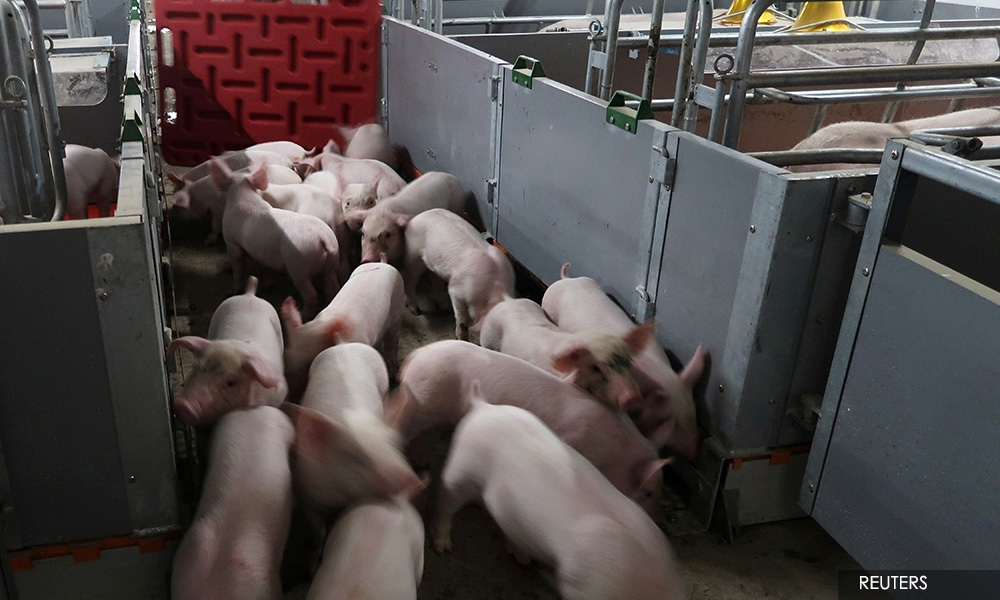

Live pig imports to Selangor approved since July 2025: Deputy minister
The importation of live pigs from Sarawak to Selangor has been approved since July 2025 under strict conditions, said Deputy Agriculture and Food Security Minister Chan Foong Hin.
Addressing claims of shipments of live pigs being brought in every week from Kuching, Sarawak via Port Klang since July, Chan said the matter was not new.
“Any such...
The importation of live pigs from Sarawak to Selangor has been approved since July 2025 under strict conditions, said Deputy Agriculture and Food Security Minister Chan Foong Hin.
Addressing claims of shipments of live pigs being brought in every week from Kuching, Sarawak via Port Klang since July, Chan said the matter was not new.
“Any such allegations must be based on facts and evidence,” he said in a statement today.
The deputy minister noted that several key leaders, including Sarawak Food Industry, Commodity and Regional Development Minister Stephen Rundi Utom as well as Agriculture and Food Security Minister Mohamad Sabu, had expounded on the matter during parliamentary proceedings previously.
Chan explained that the imports were permitted through approved licences and subject to strict control procedures, with the livestock required to be sent directly to an abattoir in Rawang without stopping at other locations.
“This decision is among the measures to help stabilise market supply and prices following disruptions to the farming industry caused by the African Swine Fever (ASF) outbreak.
“I am also made to understand that a strict standard operating procedure (SOP) has been set from the outset to ensure the handling of livestock at Port Klang is carried out in a controlled and orderly manner,” he said.
Elaborating further, Chan said live pigs can only be unloaded between 8pm and 5am using special crates before being transferred directly into trucks for transport to the abattoir in Rawang.
He said the procedure aims to minimise the handling duration of livestock at the port as well as reduce the risk of contamination and environmental disturbance.
He said allegations that the operation compromises port hygiene and sanitation should not be made without examining the established SOP and authentic evidence.
Politicising with 'inaccurate information'
Chan also informed that he visited a modern pig farm in Simunjan, Sarawak, last April to observe operations and export procedures for live livestock to Singapore and Selangor.
He said the visit allowed him to observe the implementation of biosecurity measures, including the use of livestock carrier vessels that meet specified standards.
“I deeply regret that allegations and accusations have been put forward without examining the actual facts, and there are even attempts to link this issue with the decree of His Royal Highness the sultan of Selangor and politicise it with inaccurate information,” he said.
Earlier, local media reported that Port Klang Area Fishermen Association chairperson Abdul Rahman Kachil claimed about 800 live pigs were brought in from Kuching, Sarawak, every week since last July.
According to the report, the livestock arrived at Port Klang by ship before being sent to a premises believed to be a slaughterhouse.
Following this, Selangor PAS Youth yesterday urged the state government to take immediate action, questioning whether the operation aligned with the previous decree of the Selangor ruler of no pig farming activities in the state.
Its deputy chief, Faizzuddin Zai, raised concerns over the possibility of environmental pollution, public hygiene, and impacts on the fishing community around Port Klang.
No more pig farming
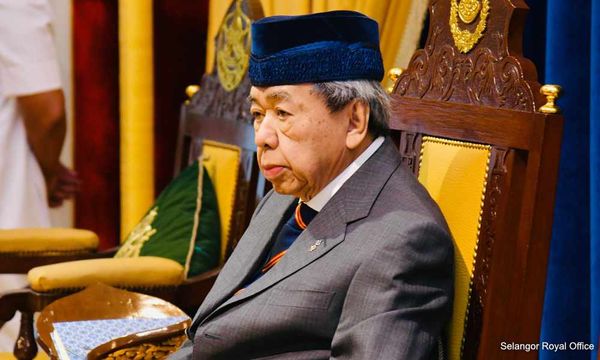
On Jan 10, Selangor ruler Sultan Sharafuddin Idris Shah decreed that he would not consent to any pig farming activities in the state due to concerns over air, soil, and water pollution that could affect residents' well-being.
His Royal Highness had also suggested that the needs of the non-Muslim community, particularly the Chinese community, be met through pork imports.
Selangor Menteri Besar Amirudin Shari was reported in February as saying that the state government had stopped issuing pig farming licences and would expedite the closure of existing farms, in line with the Selangor ruler's decree.
Amid a resurgence of the issue, Amirudin said the state government would undertake a probe to identify the purpose of the shipments and the parties involved.
According to media reports, Amirudin said a portion of the livestock was believed to be destined for other states using Selangor as a gateway.
He said the state government would review the matter before determining follow-up action.





Just because you don't eat pork does not mean the whole world also cannot eat. Just wake up and and realise that the whole world does not revolve around Pas. In fact Pas is insignificant in terms of contribution towards nation building.
Amazing. And it took the Agriculture and Food Security Ministry ages to come out and say this? What happened to the minister, by the way? Too much in fear of 2R bullies to do his job?
At the rate it’s going ,looks like the PIG is the most important issue in the country . What a distraction of more pressing items including cost of living and increase hand outs .
Report this comment
Are you sure you want to delete this comment?
This action cannot be undone.